
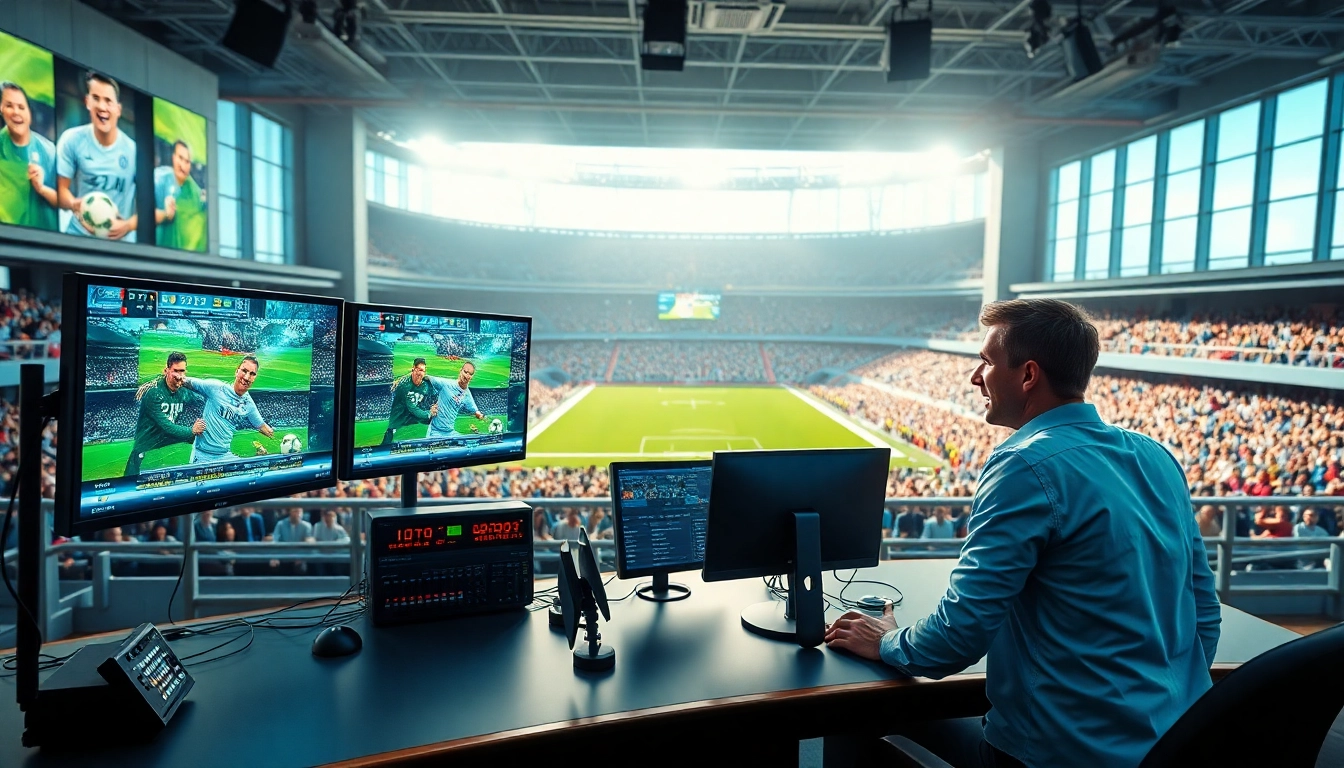
Understanding the Basics of Sports Broadcasting
What is Sports Broadcasting?
Sports broadcasting is the dissemination of sports-related content via television, radio, and online platforms. This encompasses everything from live coverage of games to analysis and commentary, aiming to engage a diverse audience while providing real-time updates and insights about various sports events. The significance of Sports Broadcasting lies in its ability to unify fans, build a community around shared interests, and elevate the visibility of sporting events across different demographics.
A Brief History of Sports Broadcasting
The history of sports broadcasting is a fascinating journey that has evolved dramatically over the decades. It started in the early 1920s when sporting events like boxing matches were broadcasted over the radio. As technology advanced, television took precedence, and major events like the World Series and Olympic Games started being televised, bringing sports into living rooms across the nation. The rise of satellite transmission in the 1980s and the advent of the internet in the 1990s further revolutionized this field, allowing for greater accessibility and viewership.
The Evolution of Media Platforms in Sports
Today, sports broadcasting encompasses a diverse range of media platforms beyond traditional television and radio, including social media, streaming services, and mobile applications. These innovations afford viewers unprecedented access to live and on-demand content, enhancing the overall viewing experience. The evolution from terrestrial broadcasting to high-definition and ultra-high-definition broadcasts has set new standards for quality, while interactive features on platforms enable viewers to engage in real-time with their favorite sports.
Key Components of Effective Sports Broadcasting
Essential Equipment for Sports Broadcasting
The backbone of any effective sports broadcast is quality equipment. This entails high-definition cameras, advanced audio equipment, and real-time graphics and graphics systems. Additionally, mobile broadcasting units and drones have become increasingly utilized to capture events from unique angles and provide dynamic coverage. Maintaining cutting-edge technology ensures that the broadcast is visually appealing and professional, enhancing the overall viewing experience.
Creating Captivating Content
Compelling content is vital in sports broadcasting. Broadcasters must craft engaging narratives that resonate with audiences; this includes expert analysis, player profiles, and behind-the-scenes stories. Utilizing storytelling techniques not only enhances viewer interest but also fosters a deeper emotional connection to the events being shown. Additionally, diversifying content formats, such as podcasts and highlight reels, can cater to different audience preferences.
The Role of Commentary in Sports
Commentary is a crucial element of sports broadcasting that can significantly influence viewer engagement. A skilled commentator enhances the live experience by offering insights, context, and emotional depth to the game. They navigate through the highs and lows of the events while maintaining a connection with the audience. Developing a unique commentary style that balances factual information with entertainment can set a broadcaster apart from the competition.
Strategies for Engaging Viewers in Sports Broadcasting
Developing Audience-Centric Content
Creating audience-centric content involves understanding your viewership’s demographics, preferences, and interests. Conducting market research can provide valuable insights into what resonates with different segments of audiences. Tailoring content to include interactive elements, such as polls or live Q&A sessions, fosters a sense of community and keeps viewers engaged throughout the broadcast.
Utilizing Social Media for Enhanced Reach
Social media platforms offer tremendous opportunities for sports broadcasters to enhance their reach and engagement. Leveraging these platforms for live updates, behind-the-scenes content, and interactive discussions can cultivate a stronger viewer connection. Collaborative efforts with influencers and engaging users through interactive campaigns can also amplify visibility and attract new viewers.
Interactive Engagement Techniques
Implementing interactive techniques such as live chats, fan voting, and interactive graphics can significantly enhance viewer participation. By allowing fans to shape the broadcast experience through their choices, broadcasters can create an immersive environment. The incorporation of augmented reality (AR) and virtual reality (VR) tools could further redefine how audiences interact with live broadcasts, making the experience more dynamic and engaging.
Analyzing Trends in Sports Broadcasting
Impact of Technology on Sports Broadcasting
Technology significantly influences sports broadcasting, altering how content is produced and consumed. Artificial Intelligence and machine learning enable personalized content recommendations, improving user experience. Advanced analytics are used to provide deeper insights during broadcasts. Additionally, 5G technology promises to streamline the live broadcasting process, delivering high-quality content with minimal latency.
The Rise of Streaming Services
Streaming services have revolutionized sports broadcasting by providing viewers with flexibility and choice. They allow fans to watch games on-demand or live, and often offer alternative viewing experiences, such as enhanced statistics or multi-camera angles. This shift has created a competitive landscape, prompting traditional broadcasters to adapt their models to retain audience loyalty.
Future Predictions for Sports Broadcasting
Looking ahead, the future of sports broadcasting seems set for further enhancement through technology. Virtual reality will likely become commonplace, further immersing viewers in the live experience. Additionally, a focus on personalization will continue to grow, with broadcasters utilizing data to tailor content to individual preferences. Sustainability will also be an emerging concern, prompting the industry to explore eco-friendly broadcasting solutions.
Measuring Success in Sports Broadcasting
Key Performance Indicators to Track
To gauge the effectiveness of sports broadcasting, it’s essential to track key performance indicators (KPIs), including viewer ratings, audience retention rates, and market share. Engagement metrics, such as social media shares, comments, and interactions, provide insight into how well content resonates with viewers. Continuous monitoring of these KPIs allows broadcasters to adapt strategies effectively to meet audience expectations.
Gathering Audience Feedback
Soliciting audience feedback plays a crucial role in measuring success. Utilizing surveys, social media interactions, and direct communication channels allows broadcasters to understand viewer preferences and identify areas for improvement. This feedback loop fosters a sense of community while ensuring that content remains relevant and engaging to the audience.
Best Practices to Enhance Broadcast Quality
To enhance broadcast quality, it’s necessary for broadcasters to maintain high standards across the production process. This includes investing in quality equipment, training staff, and rehearsing to ensure smooth operations during live broadcasts. Continuous evaluation of broadcast quality with a focus on viewer experience will ensure that programming remains professional and appealing to audiences.
Frequently Asked Questions
What is essential for starting a career in Sports Broadcasting?
You need a strong understanding of sports, excellent communication skills, and relevant experience like internships in media to kickstart a career in sports broadcasting.
How has technology influenced Sports Broadcasting?
Technology has improved broadcast quality and introduced interactive features, enhancing viewer engagement and expanding streaming options available to audiences.
What are the main roles in Sports Broadcasting?
Main roles include sports commentators, producers, analysts, and on-field reporters, all uniquely contributing to the overall broadcast experience.
How do I engage viewers effectively in Sports Broadcasting?
Engaging viewers involves creating compelling content, utilizing social media for interaction, and appealing to audience preferences while fostering community involvement.
What metrics should I consider for Sports Broadcasting success?
Key metrics include viewer ratings, audience engagement, feedback on content, and revenue generated from ads and sponsorships to assess broadcasting success.