Understanding the LC88 Formula One Car
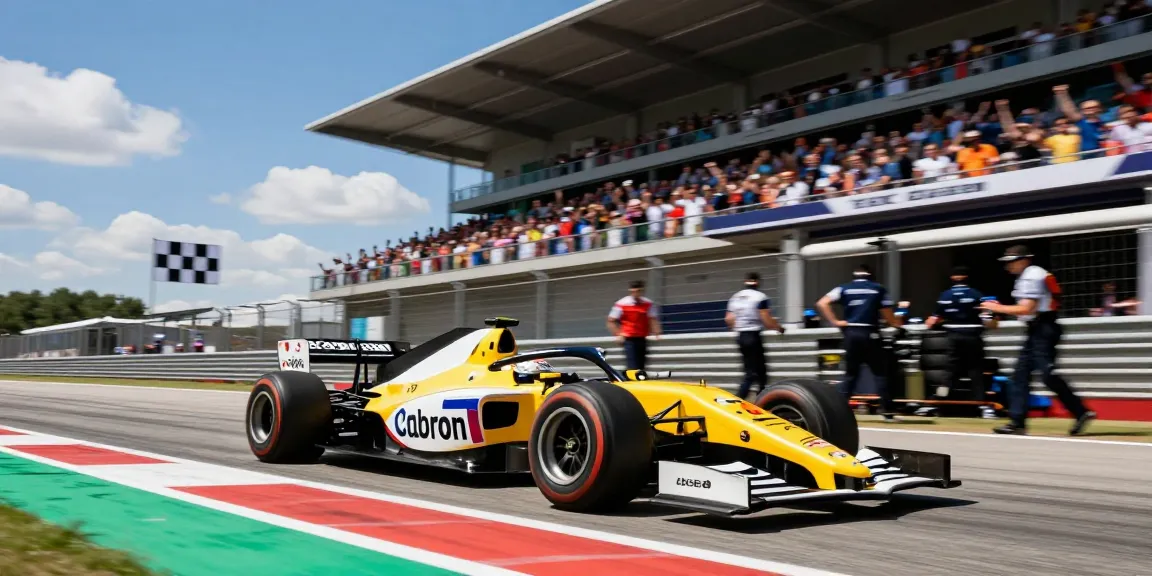
The LC88, created by the renowned manufacturer Lola, stands as a pivotal model in the annals of Formula One racing. Competing in the 1988 season, this car was designed for the Larrousse team, a significant player in the sport during that era. With its advanced engineering and innovative design features, the LC88 not only showcased the technical prowess of its creators but also played a crucial role in shaping the future of Formula One vehicles. When exploring options, LC88 provides comprehensive insights into the world of racing, including analyses of such landmark vehicles.
What is the LC88 and Its Historical Significance?
The Lola LC88 is notable for several reasons. First, it was one of the few cars to embrace a unique chassis design that set a benchmark for future competitors. Driver lineup included notable names, allowing it to make its mark during the 1988 Formula One season. Its design was a culmination of the engineering philosophies of its time, showcasing the transition from simply functional race cars to complex machines laden with technology aimed at maximizing performance on the track.
The LC88’s historical significance also lies in its representation of the evolution of the Larrousse team, which faced immense challenges in a highly competitive field. As the team struggled for financial support and competitive results, the LC88 encapsulated both innovation and the struggles of a privateer team trying to make a name for itself amidst the giants of the sport.
Key Features and Specifications of the LC88
The LC88 boasted several key features that were ahead of its time, including:
- Engine: Powered by a Ford Cosworth DFR engine, the LC88 generated approximately 620 horsepower, providing a significant competitive edge.
- Chassis: Its monocoque construction was designed with advanced aerodynamics, allowing for a lower center of gravity and improved handling.
- Suspension: The car utilized a double-wishbone setup which improved both stability and cornering capabilities.
- Weight: Weighing approximately 500 kg, the LC88 adhered to the weight regulations of its time, providing a favorable power-to-weight ratio.
The Legacy of Lola in Formula One Racing
Lola Cars has a long-standing legacy in the world of motorsports, with the LC88 being one of its notable contributions to Formula One. Founded in the 1950s, Lola quickly made a name for itself thanks to its innovation and adaptability. The transition from building sports cars to Formula One models like the LC88 illustrated Lola’s commitment to evolving alongside the sport.
Throughout its history, Lola has produced numerous successful race cars, with the LC88 highlighting the brand’s ability to integrate cutting-edge technology and engineering excellence. The car not only served as a competitive platform during its operational years but also influenced future designs across various racing categories.
The Competitive Landscape of Formula One in 2026
The landscape of Formula One racing continues to evolve, with teams employing new strategies to gain a competitive edge. As we look towards 2026, various trends and technological advancements are evident, reflecting a racing world that is becoming increasingly intricate and data-driven.
Current Competitors and Their Strategies
Teams such as Mercedes and Red Bull Racing have established themselves as powerhouses in the sport, deploying strategies that include advanced data analytics, driver training, and aerodynamic innovations. In contrast, teams like Alfa Romeo and Aston Martin are focusing on developing mid-field strategies to improve their standings through consistent performance and strategic partnerships.
Analysis of Performance Metrics and Trends
With the introduction of hybrid engines and a focus on sustainability, performance metrics are increasingly tied to efficiency rather than sheer speed alone. The 2026 season will likely emphasize how well teams can integrate electric elements with traditional combustion engines, affecting everything from pit stop strategies to race day performance.
How the LC88 Stands Against Rival Teams
When comparing the LC88 to modern competitors, it is evident that technological advancements have significantly redefined competitive standards. However, the core principles of performance—such as aerodynamics, weight distribution, and engine reliability—remain just as critical today. While the LC88 holds historical significance, it would face stiff competition against the advanced engineering of contemporary vehicles like the Mercedes W12 and Red Bull RB16.
Technical Advances and Innovations in Racing
As Formula One progresses into the future, the technical innovations that drive the sport forward are ever-evolving. The convergence of technology, engineering, and racing is creating cars that are faster, more efficient, and equipped with features that were unimaginable just a few decades ago.
Latest Technological Developments in Formula One
Recent advancements in Formula One include the widespread adoption of hybrid engines, which combine traditional combustion engines with electric power units, offering not only enhanced performance but also reduced environmental impact. Moreover, the introduction of active aerodynamics and complex data analytics systems has transformed how teams strategize during races.
Impact of Engineering on the Performance of LC88
The engineering feats of the LC88 played a critical role in its performance on the track. The design choices made by Lola aimed at maximizing downforce while maintaining speed, a principle that remains crucial in the design of modern F1 cars. Understanding how the engineering principles applied to the LC88 can provide insights into today’s engineering challenges in racing.
Future Trends to Watch in Automotive Technology
With the rise of electric vehicles and the growing attention to sustainability, Formula One is poised to become a testing ground for future automotive technologies. Innovations such as improved battery management systems, regenerative braking technology, and AI-driven vehicle dynamics are likely to become staples of automotive racing.
Choosing the Right Version of the LC88
For motorsport enthusiasts and collectors, selecting the right version of the LC88 can be a rewarding yet challenging endeavor. Different iterations of the car were produced, each reflecting subtle variations in design and performance.
Comparative Analysis: LC88 vs. Other Top Models
When comparing the LC88 to other prominent models such as the Williams FW14 or the McLaren MP4, it is essential to evaluate factors such as performance, reliability, and historical context. The LC88, while not as commercially recognized as its rivals, showcases a rich racing heritage that appeals to collectors.
Essential Tips for Potential Investors and Collectors
Investing in a piece of motorsport history like the LC88 requires careful consideration. Potential investors should analyze provenance, condition, and race history to ascertain the value and significance of the vehicle. Additionally, connecting with heritage racing events can offer unique opportunities to learn more about the LC88 and its competitive legacy.
Maintenance Considerations for the LC88
Maintaining a classic racer like the LC88 necessitates specialized knowledge and resources. Owners should ensure access to authentic parts, which are critical for preserving the car’s performance and value. Regular inspections and adhering to best practices in care can significantly extend the life of this iconic vehicle.
FAQs about the Lola LC88
What makes the LC88 unique in Formula One history?
The Lola LC88 is unique due to its distinct engineering design and the challenges faced by the Larrousse team during its era, making it a symbol of innovation and perseverance in Formula One.
How does the LC88’s performance compare to modern cars?
While the LC88 was competitive in its time, modern cars benefit from advanced materials and technology that dramatically enhance speed, efficiency, and handling capabilities.
Where can I find parts for the Lola LC88?
Finding parts can be challenging, but specialized vintage race car suppliers and dedicated collector communities often provide leads on authentic components for the LC88.
Are there any exhibitions featuring the LC88 in 2026?
In 2026, motorsport exhibitions and historical racing events will likely feature the LC88, showcasing its legacy alongside other significant racing cars from its era.
What are the future prospects for the LC88 in motorsports?
The LC88, while primarily considered a historical artifact, has the potential to be featured in vintage racing circuits, preserving its place in the ongoing narrative of motorsport history.. Additionally, Điều khoản điều kiện provides further details.